

Strength & longevity
Why strength training matters for women
Strength is not only what you lift. It is how confidently you move through your life.
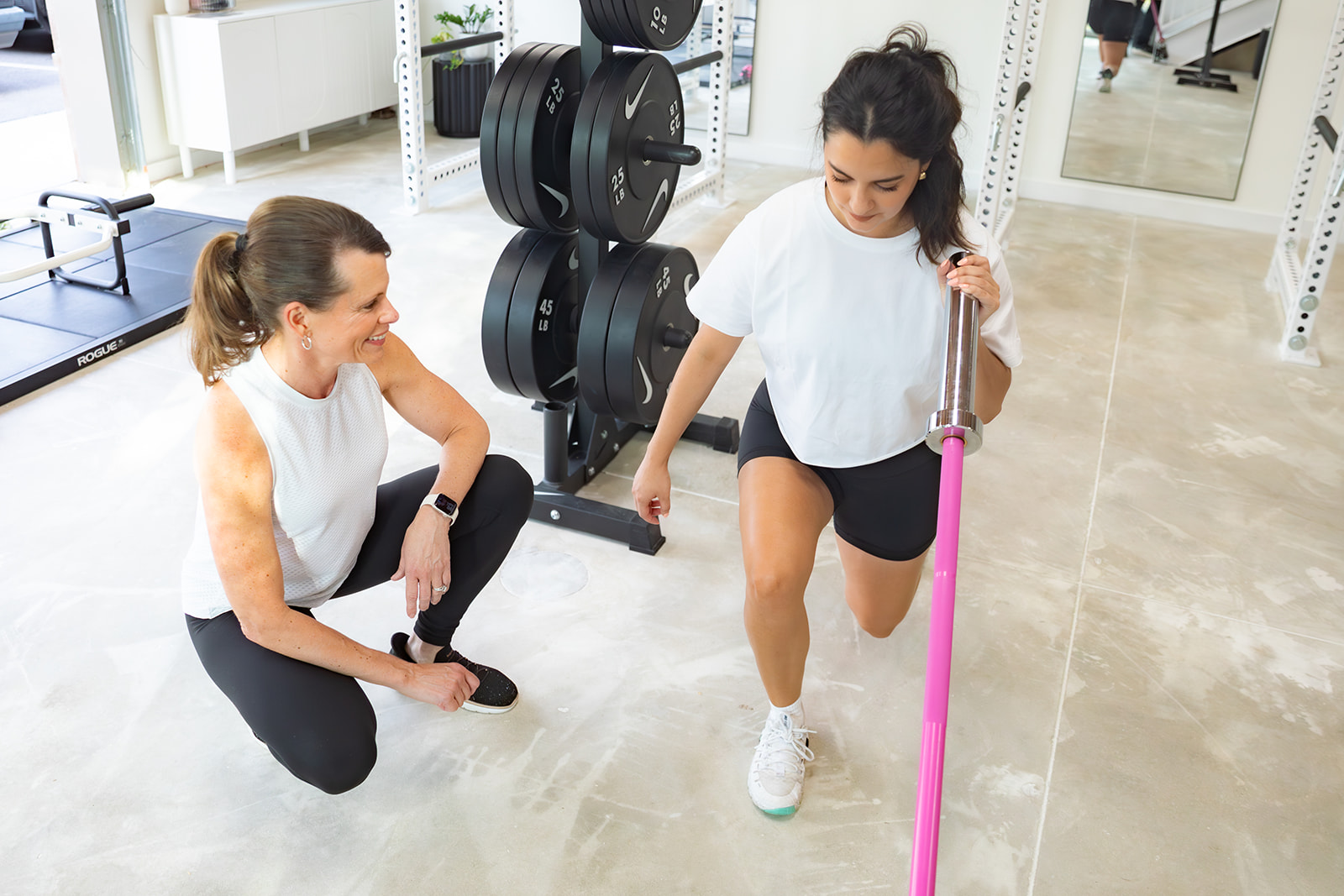
For most of the last century, women were steered away from the weight room. The research now tells a very different story: resistance training is one of the most effective things a woman can do for her health, performance, and longevity.1
A 2025 review in Sports Medicine and Health Science by Kraemer, Fragala, and Ratamess brought together decades of research on how women respond to strength training. Their conclusion is clear. Women gain measurable strength, power, and performance when training is performed with enough frequency, intensity, and duration, and the benefits reach well beyond the gym.1
How a woman's body adapts
Strength adaptations are driven largely by the neuroendocrine and immune systems. In women, estrogen, testosterone, growth hormone, and IGF‑1 each play a role, which is why women can show unique patterns in muscle growth, fuel use, fatigue, and recovery.1 Early progress comes mostly from the nervous system learning to recruit muscle more efficiently, followed by gradual increases in muscle size.
Women also tend to resist fatigue well and recover efficiently between sets. When comparisons are made relative to body size, strength in lower body lifts like the squat and deadlift is often quite similar between trained women and men.1
Benefits for lifelong health
The review highlights a wide range of health outcomes linked to resistance training in women:1
- Bone health. Loading the skeleton helps maintain bone mineral density, especially important through perimenopause and beyond.
- Metabolic health and body composition. More lean muscle supports blood sugar regulation and a healthier ratio of muscle to fat.
- Cardiovascular health. Regular strength work supports healthy blood pressure and heart function.
- Mental health. Training is associated with improvements in mood, self esteem, and body image.
What the research says about programming
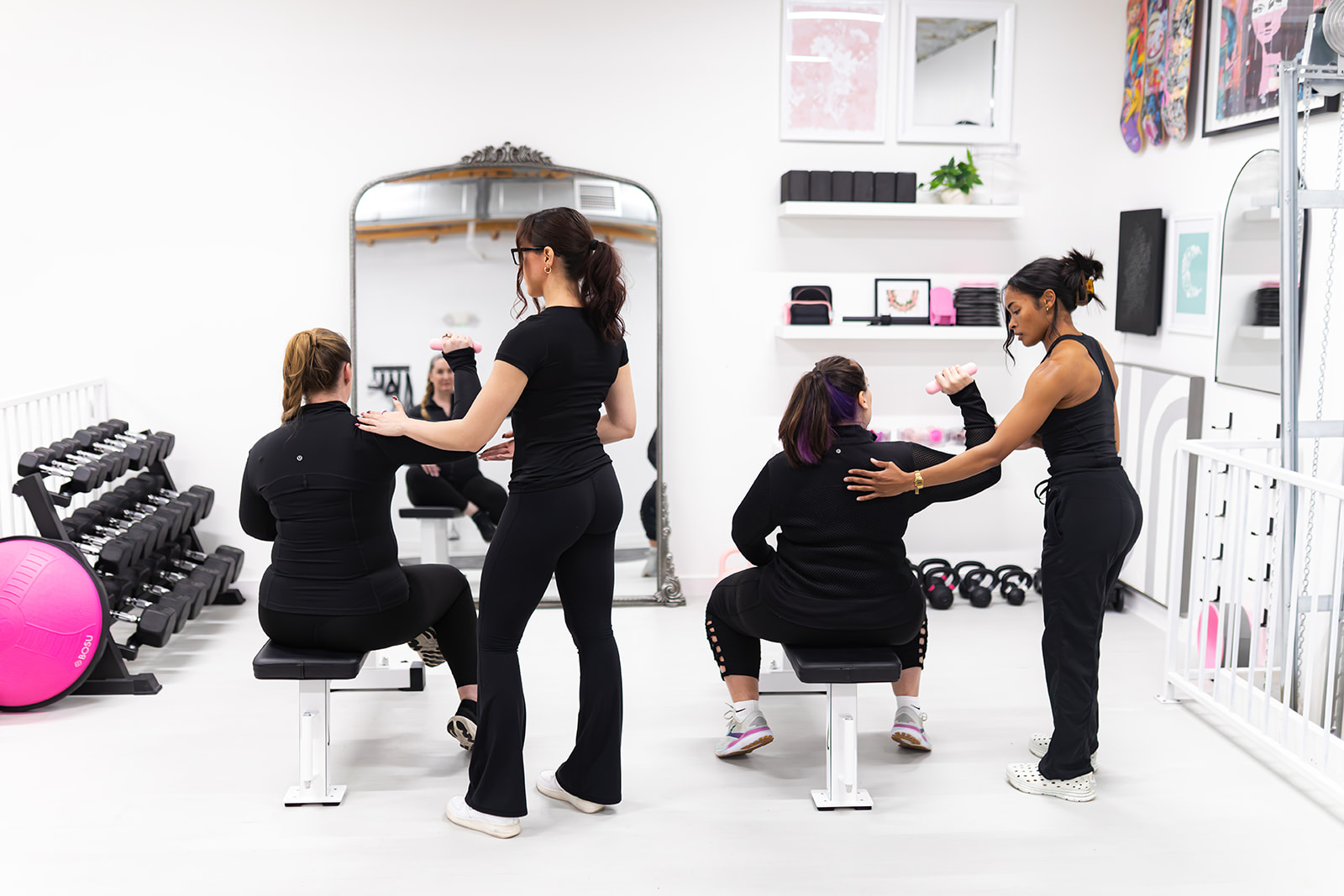
Training principles for women and men are highly similar and depend on the goal. Progressive overload, sound technique, and adequate recovery matter for everyone. The authors emphasize individualization, taking into account factors such as training history, life stage, pregnancy and postpartum recovery, pelvic floor health, and joint considerations like ACL injury risk.1
Removing the barriers
The review notes that perceived time demands, intimidation, and uncertainty about where to begin still keep many women from strength training.1 That is exactly why Axiom exists. A private, women focused space with one on one coaching removes the guesswork and lets you train with confidence at your own pace.
Consistency matters more than perfection. Two focused sessions each week can be a meaningful foundation when the exercises, effort, and recovery are suited to you.
Reference
1. Kraemer WJ, Fragala MS, Ratamess NA. Evolution of resistance training in women: History and mechanisms for health and performance. Sports Med Health Sci. 2025;7(5):351–365. doi:10.1016/j.smhs.2025.01.005. Read the full article