
Strength after 50
Strength training for women over 50
The goal changes after 50. Strength is what keeps everyday life yours.
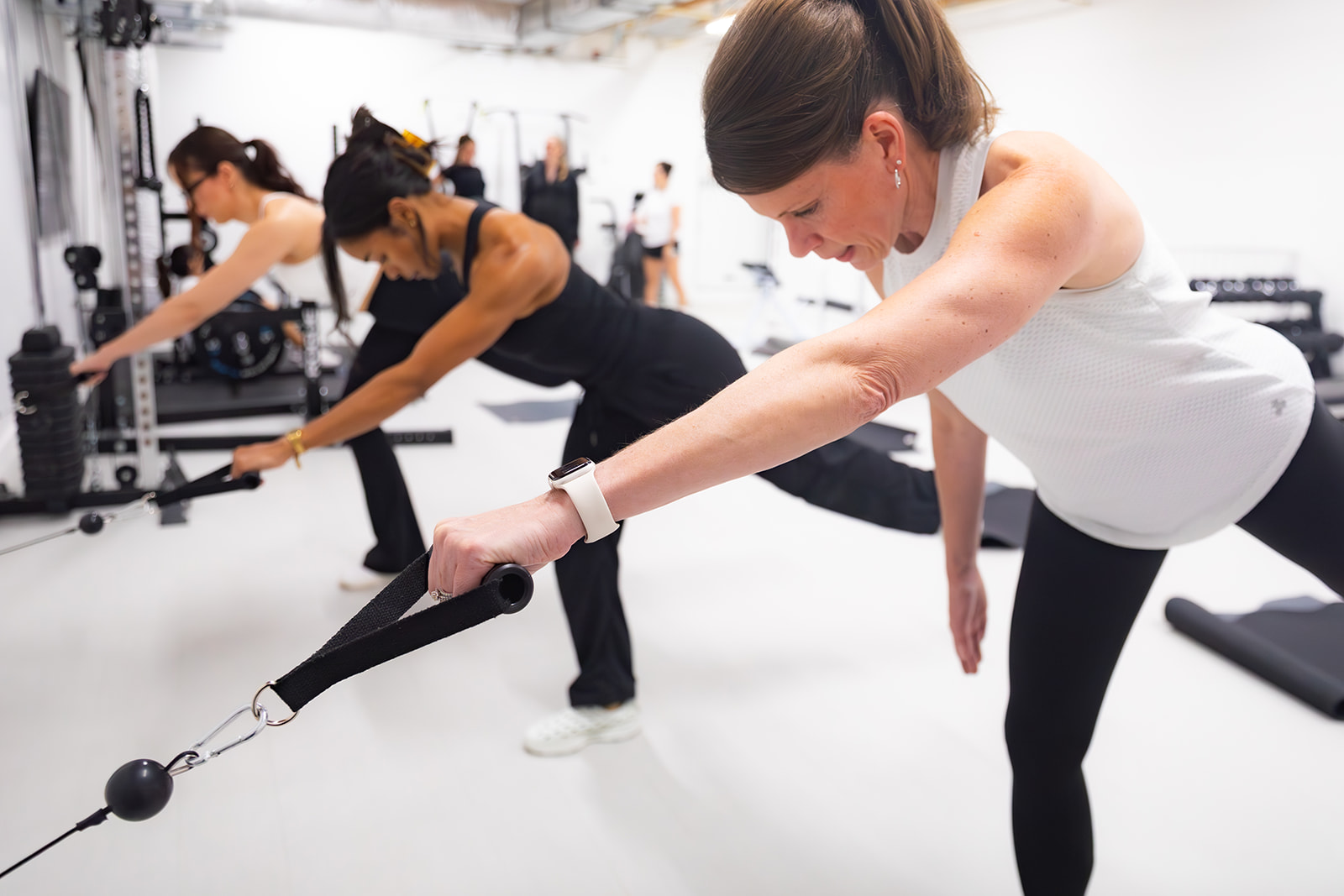
If you are in your 50s, you have probably noticed that getting up from the floor or cleaning the bathroom is not what it used to be. For decades women were told to get thinner. Stanford Lifestyle Medicine makes a different case: around 50, the more useful goal is getting stronger.1
What actually changes
Muscle mass begins declining around age 30, at roughly half a percent a year. By 50 that rate rises to 1 to 2 percent a year, and from 60 it climbs to about 3 percent.1 Estrogen also plays a key role in muscle and bone health, which is why the drop through perimenopause and menopause matters so much. It accelerates sarcopenia, the age related loss of muscle, and osteoporosis.1
“An important thing we can do for our longevity is strength train. And that is true for every age, even if you start training at age 102.”
Marilyn Oppezzo, PhD, Stanford Lifestyle Medicine
The decline is real, and so is the response. Strength training is one of the few things that pushes back on both sides of this at once, the muscle and the bone.
Why it matters more after 50
Training in this season of life is less about the number on the scale and more about what your body can still do. The research and the everyday reality point to the same list:1
- Independence. Stairs, getting up off the floor, carrying groceries, and getting in and out of a car all run on muscle.
- Bone density. Loading the skeleton is one of the most effective ways to slow bone loss.
- Balance. Strength in the hips, legs, and core is what keeps you steady.
- Metabolic health. Muscle helps regulate blood sugar.
- Quality of life. Keeping up with grandchildren, travel, and the things you actually want to do.
The part most people skip
Building muscle after 50 needs raw material. Adults do best at about 1.2 to 1.6 grams of protein per kilogram of body weight, which works out to roughly 80 to 100 grams a day, spread across meals at 20 to 30 grams each.1
Recovery matters just as much. Strength sessions for the same muscle group need about 24 hours between them, and progress comes from slightly increasing the difficulty each time, whether that is weight, reps, sets, or a slower tempo. Doing the same workout every week does not make you stronger.1
It is never too late to start
If a full routine feels like a lot, the Stanford team suggests starting with short bursts of effort through the day and building from there. Consistency beats intensity, and the measure worth watching is not the weight on the bar but what you can do outside the gym.1
Coaching in South Austin
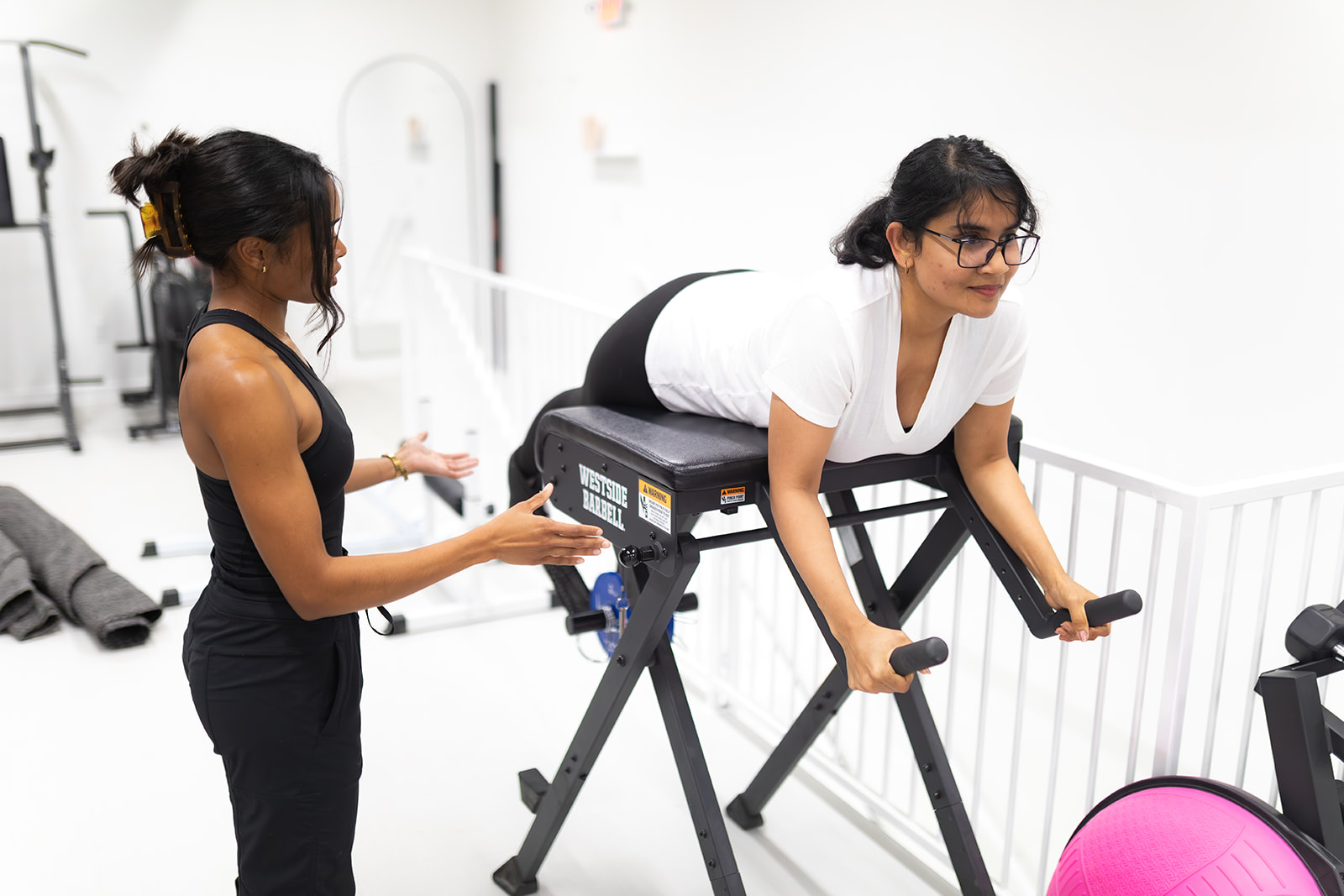
This is exactly the work our trainers are equipped for. At our private studio in South Austin, women over 50 train one on one with coaches who program around bone density, balance, joint comfort, hormones, and how long recovery actually takes now. Nothing is generic and nothing is scaled down without a reason.
If that sounds like you, our Women 50+ page explains how we train for this season, and a complimentary consult is the easiest way to find out whether we are the right fit.
Reference
1. Brock S. Strength training for women 50+. Stanford Lifestyle Medicine. March 6, 2025. Read the full article